Your Highway 4 Second Home: What to Check Before Winter
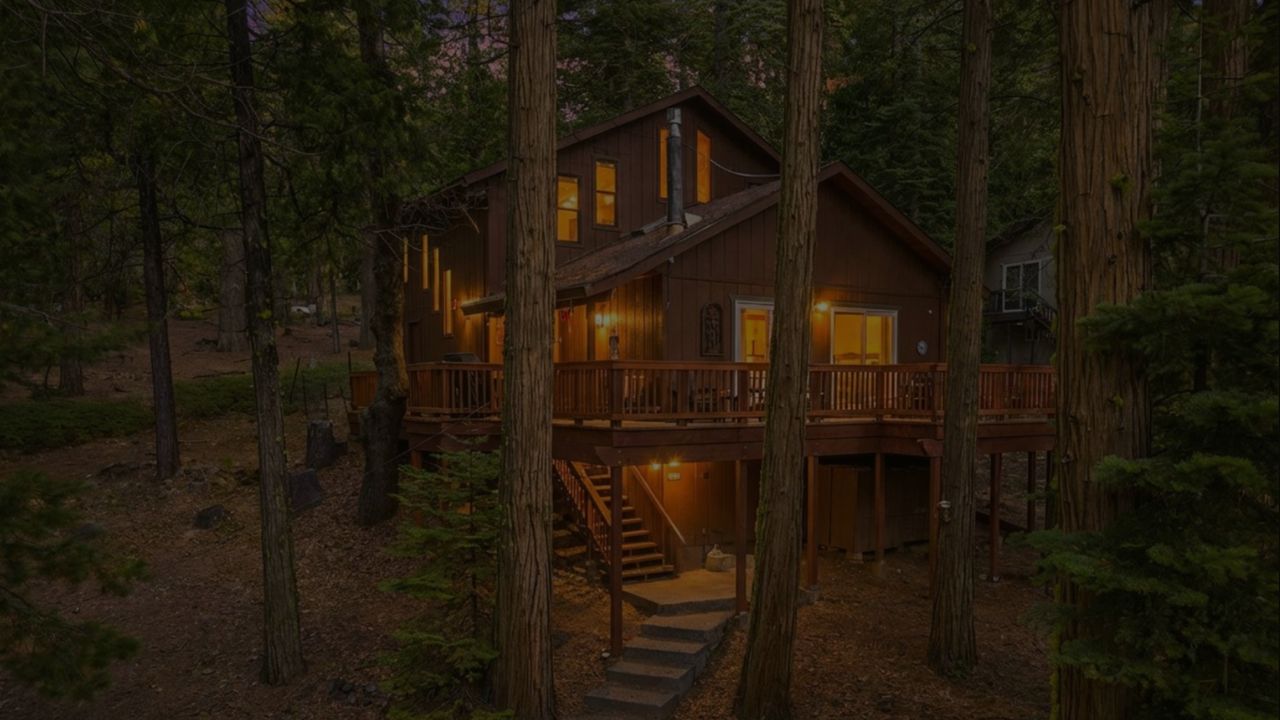
The best part of owning a second home is arriving for the weekend, dropping your bags, and settling in.
The not-so-great part? Opening the door after a few weeks away and discovering a problem that started while nobody was there.
If you own a second home along Highway 4, fall is the time to get ahead of that.
And where your home is located makes a difference.
A getaway near downtown Murphys has different seasonal needs than a wooded cabin in Arnold or a mountain retreat farther up the highway in Dorrington.
As you head toward higher elevations, colder temperatures, snow, road access, and property maintenance become increasingly important considerations.
Whether you've owned your place for years or you're thinking about buying one, here are six questions worth asking before winter arrives.
1. Where does water go when it rains?
Before the first major storm, take a walk around the property.
Look at gutters, downspouts, driveway drains, and the grading around the house. Pay attention to places where water has collected in previous winters.
Check underneath decks and around doors on the downhill side of the property.
In Murphys, where winter rain can be a significant concern, drainage deserves particular attention.
In Arnold and Dorrington, you'll also want to consider how rain, melting snow, and runoff move around the home as conditions change.
If your driveway or patio has a history of standing water, arrange for any necessary drainage work before the storms arrive.
Calaveras County recommends that property owners with recurring flooding concerns obtain sandbags ahead of the rainy season.
One useful tip: take photos of trouble spots. If you need to coordinate with a contractor while you're out of town, those pictures can save a lot of back-and-forth.
2. What's accumulated around the roof, trees, and deck?
Leaves, pine needles, and fallen branches are easy to overlook when you only visit your home on weekends.
But a wooded property needs regular attention, especially before winter weather.
Clear accumulated debris from roofs, gutters, decks, and the areas immediately surrounding the house. Arrange for qualified help if the work cannot be done safely.
Look for branches that may need to be evaluated by a qualified tree professional, particularly those near the roof, driveway, or utility lines. Leave work around electrical lines to the appropriate utility professionals.
In heavily wooded areas around Arnold and Dorrington, it's also worth having a qualified professional assess trees that could pose a problem during heavy snow or winter storms.
And don't forget that wildfire preparation doesn't end just because summer is over.
CAL FIRE's defensible-space guidance recommends removing dead leaves, needles, and other combustible debris around the home.
This isn't necessarily a one-time fall project. It's part of understanding what your particular property needs throughout the year.
3. What happens to your plumbing and heat when nobody is home?
If you've never thought much about your home's plumbing while you're away, now is the time.
Start with the basics.
Where is the main water shutoff? Are any pipes exposed to colder temperatures? Are there areas of the house that don't receive consistent heat?
For higher-elevation properties in Arnold and Dorrington, freezing temperatures make these questions especially important.
If the home has a well, understand how the pump system operates and what happens if the electricity goes out.
You'll also want a plan for the heating system.
Who checks that it's operating properly before a cold spell? And who can respond if something stops working while you're several hours away?
Before changing thermostat settings, turning off water, or winterizing any plumbing, talk with a licensed plumber or HVAC professional about what makes sense for your specific house.
Every property is different.
A cabin used every weekend may need a different approach than a home that sits empty for a month at a time.
4. Can you actually reach the house after a winter storm?
This is one of the biggest considerations I encourage second-home buyers to think about, particularly when looking at properties farther up Highway 4.
It's easy to fall in love with a beautiful cabin surrounded by trees.
But what does getting there look like in January?
A property might be relatively easy to access during the summer and require an entirely different plan when snow arrives.
Before winter, ask yourself:
- Is the road county-maintained or private?
- Who handles snow removal?
- Is the driveway steep or shaded?
- Who clears the snow berm left at the driveway entrance?
- Is there a reliable local snow-removal service?
- Could a fallen tree prevent access to the property?
Calaveras County notes that snowplowing operations can leave berms at driveway entrances, and clearing those berms is the property owner's responsibility.
You can review the county's winter road information and snow-removal guidance before traveling.
For buyers comparing Murphys, Arnold, and Dorrington, this is also why I recommend evaluating a property beyond the photos and the drive you take on showing day.
The way a home functions in winter can be just as important as how it looks in summer.
5. Who is your person on the ground?
Here's something people don't always think about when buying a second home.
Who is going to check on it when you're not there?
A security camera or leak sensor can be helpful, but it can't meet a plumber, clear a blocked driveway, or check on the house after a storm.
Having a dependable local contact can make second-home ownership much easier.
Ideally, this is someone who can access the property with your permission and knows whom to contact if something needs attention.
Leave them a simple reference sheet with your utility shutoffs, service providers, alarm instructions, emergency contacts, and preferred way to reach you.
And while you're reviewing your property arrangements, talk with your insurance professional about coverage for a home that may be unoccupied between visits.
Ask about any vacancy-related conditions, wildfire considerations, and other property-specific coverage questions.
Don't assume your primary residence policy and second-home policy work the same way.
The goal isn't to create more work for yourself. It's to know that someone can help when you're not nearby.
6. How will you know if there's an emergency?
Living several hours away means you may not know what's happening around your second home unless you've made a plan to stay informed.
Start by identifying your property's evacuation zone and signing up for local emergency notifications.
Keep your property's address, gate information, and emergency contacts somewhere accessible.
You should also know where to check for road conditions before making the drive up.
Wildfire preparedness remains important in the fall, and winter storms can bring road closures, downed trees, and power outages.
Calaveras County's disaster preparedness resources provide information about emergency planning, evacuation zones, and local alerts.
It's worth setting this up now rather than trying to figure it out when something is already happening.
A second home should feel easy to come back to
The whole point of a second home is to have somewhere you actually enjoy spending time.
Whether that's a weekend exploring downtown Murphys, a few quiet days tucked into the trees in Arnold, or a snowy getaway in Dorrington, your property should be something you look forward to visiting.
A little preparation goes a long way toward keeping it that way.
And if you're still looking for your second home, these are exactly the kinds of things worth understanding before you buy.
The photos tell you what a home looks like.
Understanding the property, the roads, the weather, and the community tells you what owning it will actually involve.
That's where having someone local can make a difference.
I help buyers explore second homes throughout Murphys, Arnold, and Dorrington, with an emphasis on finding a property that fits not just the lifestyle they're imagining, but the realities of owning it.
If you're considering a place along Highway 4, I'd be happy to help you explore your options.
Explore Murphys homes, or contact me to talk through what you're looking for.